
Why Alcoholics Crave for Sugar

When a person consumes alcohol regularly, their body adjusts to the high sugar content found in many alcoholic beverages. She graduated with a Bachelor’s of Science in dietetics from the University of Kentucky and has been a practicing Registered Dietitian for eight years. She has a passion for nutrition education and helping those in recovery reach their fullest potential through proper nourishment. Outside of work, Kayla enjoys spending time with her husband and their Bernese Mountain Dog, Gus. She loves to run races of why do alcoholics crave sweets any distance and hopes to run an ultramarathon one day. Although fruits are sweet due to a natural sugar called fructose, they also contain fiber, vitamins, and minerals.
How to Identify and Manage Triggers in Recovery
This insight can assist individuals in recovery to avoid potential relapses caused by unacknowledged sugar dependency. Overall, addressing both blood sugar fluctuations and insulin sensitivity through dietary management is essential in minimizing sugar cravings and supporting sustained recovery from alcohol addiction. The association between sweet preference and alcohol dependence in the offspring of paternal alcoholics highlights the potential genetic link between the two.
How to create a vision for your future after addiction
The neurobiological pathways of drug and “sugar addiction” involve similar neural receptors, neurotransmitters, and hedonic regions in the brain. People susceptible to alcohol addiction are more likely to develop sugar addiction as well 2. Understanding the factors that contribute to sugar cravings in alcoholics can provide valuable insights into this phenomenon. Two significant factors influencing sugar cravings in this population are genetic influences on sweet preference and nutrient depletion with glycogen replenishment. This is why we feel a burst of pleasure or satisfaction when drug addiction we consume sweet foods or drinks.
- Sugar can provide a short-term energy boost and temporarily improve mood by replenishing depleted glycogen stores 3.
- Studies have shown that both sugar addiction and narcotic dependence exhibit craving, tolerance, withdrawal, and sensitization, indicating a parallel between the two.
- This means that consuming these alcoholic beverages can lead to more pronounced fluctuations in blood sugar levels, potentially triggering intense sugar cravings.
- These teas can be enjoyed hot or cold, providing a relaxing and flavorful experience.
- Therefore, recovering alcoholics should strive to find a balance in their sugar consumption to avoid these issues.
The Dangers of Benzodiazepine Withdrawal and How Medical Detox Helps
Yes, our resolve about maintaining a balanced diet seems to disappear after a drink or two — and it’s not really a matter of willpower. Alcohol impacts the prefrontal cortex (PFC), the part of the brain responsible for decision-making and impulse control. Under the influence, the PFC has a more challenging time doing its job, making it easier to give in to that sweet tooth. Sugars represent the simpler forms of carbohydrates — the monosaccharides and disaccharides. It’s crucial to note that while it’s important to limit sugar intake, completely eliminating sugar might not be necessary or realistic. Instead, focus on consuming sugars naturally found in fruits and dairy products, and avoid added sugars found in candies, pastries, and sugary beverages.
- Regular exercise not only improves overall health but also helps to stabilize both mood and blood sugar levels.
- This article seeks to explore why people recovering from alcohol addiction often find themselves reaching for sweet foods, investigating the intricate relationship between alcohol and sugar cravings.
- It’s crucial to note that while it’s important to limit sugar intake, completely eliminating sugar might not be necessary or realistic.
- However, the same was found to be true with non-carbohydrate substitutes, which have also been shown to suppress voluntary alcohol intake.
- For individuals in recovery from alcohol addiction, managing sugar cravings plays a crucial role in maintaining sobriety and overall well-being.

Eating a balanced diet that includes a variety of fresh fruits and vegetables can help provide the body with the vitamins and minerals it needs. Additionally, whole grains, nuts, and seeds can provide a good source of complex carbohydrates for energy. Eating lean proteins, such as fish, chicken, or eggs, can also help to provide the body with important vitamins and minerals. Hypoglycemia, characterized by low blood sugar levels, is a common physiological effect of alcohol consumption. Heavy drinkers can be particularly susceptible to this condition due to alcohol’s impact on blood sugar levels. Holistic approaches to recovery may include various therapies, such as mindfulness-based techniques, yoga, and other physical activities.
Dive into the deadliest effects of drugs, exploring their physical, mental, social, and economic impacts. Explore effective ways to reduce alcohol use, understand health risks, and discover treatment options. Drug rehab programs vary in length, from short-term options of a few weeks to long-term residential programs lasting up to a year, offering tailored care to address individual needs.
Do Other SUDs Also Fuel Sugar Cravings?
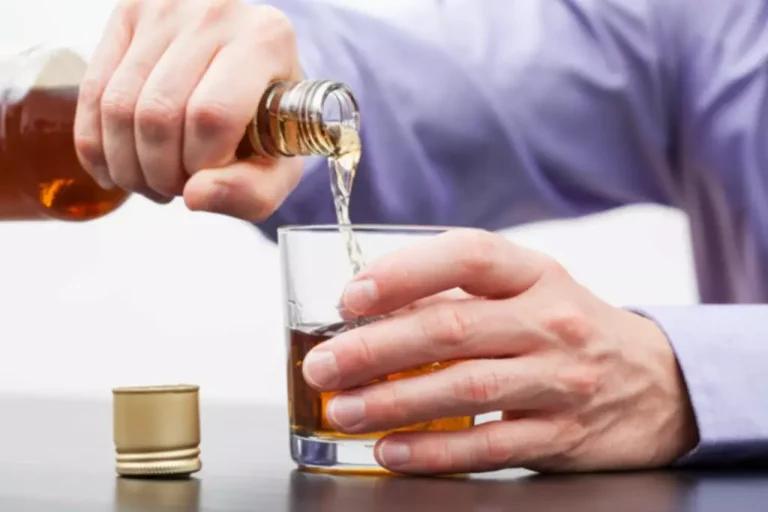
Many alcoholic beverages and drinks contain moderate to high amounts of carbohydrates, which consist of simple sugars (ie sucrose and fructose) and complex carbohydrates. As such, high-sugar foods and alcohol consumption have a similar effect on blood sugar. In turn, they have the same effects on the brain and the individual’s psychology, cementing their connection. As PubMed finds, sugar consumption releases dopamine in the brain, activating its reward system.
The Impact of Social Media on Mental Health and Addiction
It is important to consider nutritional considerations in recovery, ensuring a balanced diet that supports physical and emotional health. However, it is crucial to be cautious about substituting alcohol with excessive sugar consumption, as this can potentially lead to negative health consequences and hinder recovery progress. Regular alcohol drinkers can develop tolerance to sugar due to their alcohol intake.